



Introduction: A Surprising Truth About Art We All Missed
You know what’s interesting?
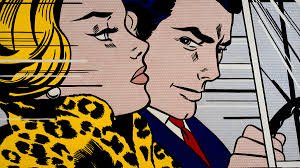
For centuries, art was supposed to be serious, emotional, and—let’s be honest—sometimes a little intimidating. Museums felt quiet, distant, almost unwelcoming. Then along came Roy Lichtenstein, a man who looked at comic strips, advertising, and everyday pop culture and thought, “Why can’t this be art too?”
And just like that, everything changed.
If you’ve ever seen a painting with bold black lines, bright primary colors, dramatic speech bubbles, and tiny dots everywhere—and felt oddly drawn to it—you’ve already met Roy Lichtenstein’s world. Trust me, once you understand his story, his art hits differently.
So let’s slow down, grab a mental coffee, and walk through the life, ideas, struggles, and massive cultural impact of one of the most influential artists of the 20th century.
Who Was Roy Lichtenstein?
A Quick Overview Before We Dive Deep
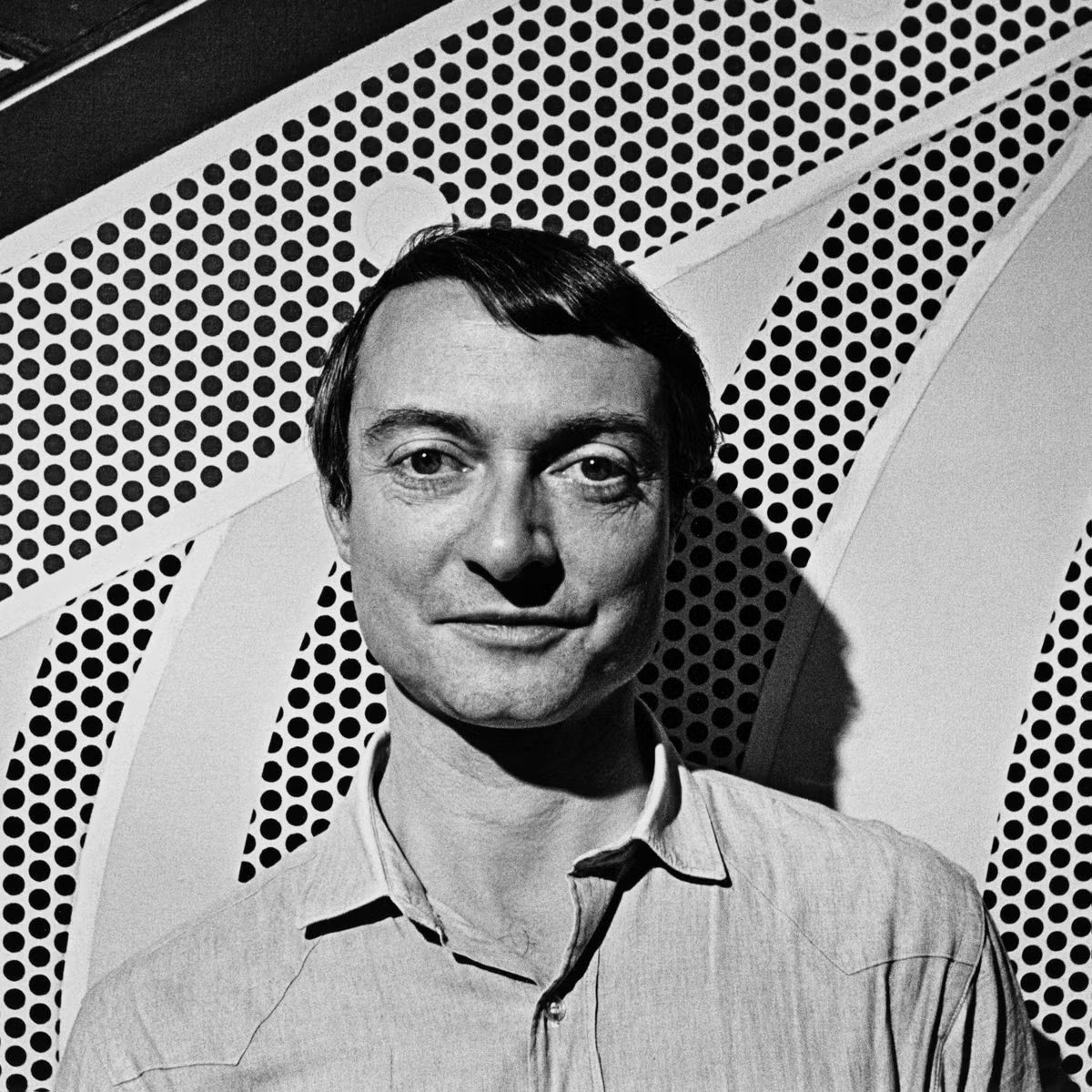
Roy Lichtenstein was an American pop artist, best known for transforming comic-book imagery into large-scale, fine-art paintings. Born in 1923, he became one of the leading figures of the Pop Art movement, alongside names like Andy Warhol and Jasper Johns.
But here’s the thing—Lichtenstein wasn’t just copying comics. He was challenging how we define art itself.
And that question? It still matters today.
Early Life: Where It All Began
Growing Up in New York City
Roy Fox Lichtenstein was born on October 27, 1923, in New York City. He grew up in a middle-class Jewish family, and like many kids at the time, he loved cartoons, movies, and popular magazines.
But unlike most kids, Roy didn’t just consume pop culture—he studied it.
As a teenager, he became fascinated with drawing, jazz music, and design. He attended art classes while still in high school, which, honestly, says a lot. You don’t do that unless something inside you is already pulling you toward creativity.
Education and Early Artistic Struggles
From Student to Soldier
Lichtenstein studied art at Ohio State University, but his education was interrupted by World War II, when he was drafted into the U.S. Army.
That experience changed him. Like many artists of his generation, the war forced him to confront reality, fear, and humanity—ideas that would later sneak into his art in subtle ways.
After the war, he returned to Ohio State, completed his degree, and eventually became a professor of art himself.
And yet, success didn’t come quickly.
The Long Road to Recognition
Years of Experimentation and Doubt
Here’s a part of Roy Lichtenstein’s story people don’t talk about enough:
For years, he struggled to find his voice.
He experimented with Cubism, Abstract Expressionism, and traditional painting styles. But nothing felt quite right. Galleries weren’t paying attention, critics weren’t impressed, and honestly, it must have been frustrating.
We’ve all been there, right? Doing the work, showing up every day, and wondering if anyone will ever notice.
Then, in the late 1950s and early 1960s, something clicked.
The Birth of Pop Art and Lichtenstein’s Breakthrough
The Comic Strip That Changed Everything
Legend has it that Roy Lichtenstein’s breakthrough came when someone—possibly his son—challenged him by saying something like, “I bet you can’t paint like that.”
“That” being a comic strip image.
So Roy did.
And the result? A revolutionary new style that shocked the art world.
What Made Roy Lichtenstein’s Art So Unique?
The Famous Ben-Day Dots
One of the most recognizable features of Roy Lichtenstein’s work is the Ben-Day dot technique.
Originally used in commercial printing, these tiny dots created shading and color effects in mass-produced images. Lichtenstein hand-painted them—slowly, carefully, deliberately.
Isn’t that ironic?
Turning a symbol of mass production into painstaking fine art.
Bold Lines and Flat Colors
Lichtenstein’s paintings feature:
- Thick black outlines
- Flat, bright primary colors
- Simplified forms
- Dramatic expressions
At first glance, they look simple. But the more you stare, the more you realize how controlled and intentional everything is.
Famous Roy Lichtenstein Artworks You Should Know
“Whaam!” (1963)
This massive diptych painting shows a fighter jet explosion with the word “Whaam!” splashed across the canvas.
It’s dramatic. Loud. Almost cinematic.
And yet, it also comments on war, media, and how violence is packaged for consumption.
“Drowning Girl” (1963)
One of his most emotional pieces, this painting shows a woman sinking underwater, thinking:
“I don’t care! I’d rather sink than call Brad for help!”
It’s melodramatic, relatable, and oddly human.
Pop art, yes—but also deeply emotional.
“Look Mickey” (1961)
This artwork is often considered his true turning point. It features Mickey Mouse and Donald Duck in a playful scene, but the style is unmistakably Lichtenstein.
Simple. Bold. Revolutionary.
Was Roy Lichtenstein Copying or Creating?
The Controversy Explained Honestly
Let’s address the elephant in the room.
Critics accused Roy Lichtenstein of copying comic artists without giving enough credit. And to be honest, it’s a fair conversation.
But here’s the difference:
Lichtenstein wasn’t claiming to invent comic art. He was reframing it, pulling it out of its commercial context and forcing people to see it differently.
And whether people loved him or hated him, they couldn’t ignore him.
Roy Lichtenstein vs. Andy Warhol
Two Giants, Two Very Different Approaches
Both artists were central to Pop Art, but their styles differed:
| Roy Lichtenstein | Andy Warhol |
|---|---|
| Comic imagery | Celebrity culture |
| Hand-painted dots | Screen printing |
| Emotional narratives | Cool detachment |
And honestly? The contrast made the movement stronger.
Later Years and Artistic Evolution
Beyond Comics
As Lichtenstein matured, his work expanded into:
- Sculptures
- Landscapes
- Abstract art
- Reinterpretations of classic paintings
He proved he wasn’t a one-trick pony.
Even in his later years, he continued experimenting, questioning, and evolving—something every creative person can learn from.
Roy Lichtenstein’s Impact on Modern Art
Why His Legacy Still Matters
Today, you see Lichtenstein’s influence everywhere:
- Graphic design
- Advertising
- Street art
- Digital illustrations
- NFTs and modern pop visuals
He helped break the barrier between “high art” and “low culture.”
And that shift? It’s permanent.
Museums and Global Recognition
Roy Lichtenstein’s works are displayed in:
- MoMA (New York)
- Tate Modern (London)
- Art Institute of Chicago
- Centre Pompidou (Paris)
Not bad for someone once criticized for painting comic strips.
The Human Side of Roy Lichtenstein
A Quiet Revolutionary
Despite his bold art, Lichtenstein himself was known to be thoughtful, reserved, and analytical.
He wasn’t chasing fame.
He was chasing ideas.
And that’s probably why his work still feels relevant today.
Conclusion: Why Roy Lichtenstein Still Speaks to Us
So here we are.
Roy Lichtenstein didn’t just paint pictures—he challenged how we see the world. He reminded us that everyday images carry meaning, that emotion exists even in mass media, and that art doesn’t have to be complicated to be powerful.
If there’s one takeaway, it’s this:
Never underestimate the ordinary. Sometimes, that’s where genius hides.
FAQs About Roy Lichtenstein
1. Why is Roy Lichtenstein famous?
Roy Lichtenstein is famous for pioneering Pop Art by transforming comic-book imagery into fine art using bold colors and Ben-Day dots.
2. What art style did Roy Lichtenstein use?
He is best known for Pop Art, though he also explored abstraction, sculpture, and modern reinterpretations of classical art.
3. What is Roy Lichtenstein’s most famous artwork?
Some of his most famous works include Whaam!, Drowning Girl, and Look Mickey.
4. Did Roy Lichtenstein copy comic artists?
While he borrowed imagery from comics, his intent was to reinterpret and critique mass media, not simply reproduce it.
