


Introduction: When Sleep Stops Feeling Safe
You know what’s interesting? Most movie villains chase you, stalk you, or jump out of dark corners. Freddy Krueger? He waits until you fall asleep. And honestly, that’s what made him terrifying in a way no one else ever quite matched.
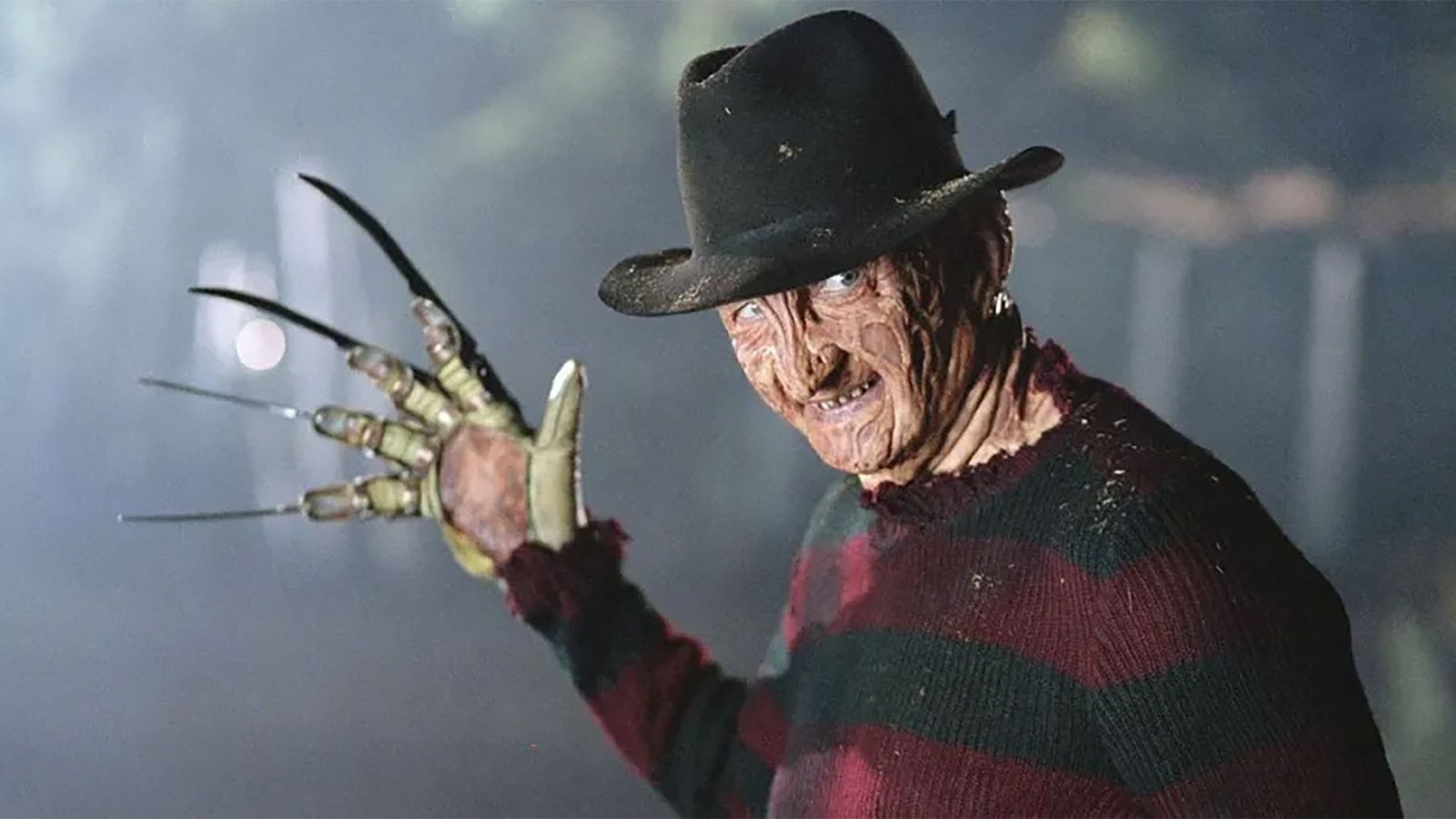
e’ve all been there—lying in bed after watching a scary movie, staring at the ceiling, afraid to close our eyes. And for an entire generation, that fear had a name: Freddy Krueger. A burned man with a striped sweater, a fedora, and blades for fingers, haunting dreams and turning sleep itself into a death trap.
But Freddy Krueger isn’t just another horror villain. He’s a cultural icon, a symbol of 1980s horror creativity, and proof that fear works best when it feels personal. So let’s talk about who Freddy really is, why he mattered so much, and why—decades later—he still shows up in our nightmares.
Trust me, by the end of this, you’ll see why Freddy Krueger remains unforgettable.
The Birth of Freddy Krueger
A Nightmare on Elm Street Begins
Freddy Krueger first appeared in 1984’s A Nightmare on Elm Street, directed by Wes Craven. At the time, horror films were dominated by silent, unstoppable killers like Michael Myers and Jason Voorhees. They were scary, sure—but they didn’t talk.
Freddy was different. He joked. He taunted. He enjoyed what he did.
Wes Craven came up with the idea after reading real news stories about people who were afraid to sleep—and then died in their dreams. That concept alone was chilling. But adding a villain who controlled dreams? That was next-level horror.
And so, Freddy Krueger was born.
Who Is Freddy Krueger?
The Man Behind the Monster
In the story, Freddy Krueger was once a child murderer who lived in the town of Springwood. After escaping justice due to a legal technicality, he was hunted down and burned alive by the parents of his victims.
But death wasn’t the end.
Freddy returns as a dream demon, killing the children of the people who killed him—this time in their sleep. And because death in a dream means death in real life, escaping Freddy becomes nearly impossible.
It’s revenge horror, supernatural horror, and psychological horror all rolled into one.
Freddy Krueger’s Iconic Look
Why His Design Still Works
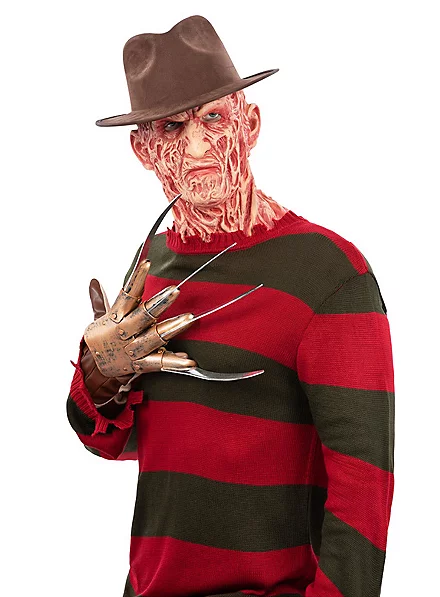
Let’s be honest—Freddy Krueger’s appearance is instantly recognizable.
- Burned, scarred face
- Red and green striped sweater
- Brown fedora
- And, of course, the glove with razor-sharp blades
That glove alone became one of the most famous weapons in movie history.
What’s fascinating is that his look wasn’t random. The red and green stripes were chosen because those colors clash visually and make people uncomfortable. The burned skin reflects his violent death. And the glove? It turns a human hand into something unnatural and predatory.
Simple. Effective. Terrifying.
Freddy Krueger vs Other Horror Villains
Why Freddy Felt More Personal
Here’s the thing: you can avoid a haunted house. You can run from a masked killer. But sleep? You can’t avoid sleep forever.
That’s why Freddy Krueger hit differently.
Unlike Jason or Michael, Freddy:
- Talks directly to his victims
- Manipulates their fears
- Controls reality inside dreams
- Enjoys psychological torture
He doesn’t just kill you. He plays with you first.
And honestly, that makes him feel far more human—and far more cruel.
Robert Englund: The Face of Freddy
A Performance That Defined a Character
You can’t talk about Freddy Krueger without talking about Robert Englund.
Englund didn’t just play Freddy—he became him. His voice, his laugh, his body language—all of it turned Freddy into a character, not just a monster.
What’s interesting is that Freddy wasn’t always meant to be funny. But Englund’s dark humor made Freddy more memorable. The jokes didn’t reduce the fear; they made it worse. Because now the killer was enjoying himself.
And audiences loved—and feared—that.
The Nightmare on Elm Street Franchise
From Horror to Pop Culture Phenomenon
The original A Nightmare on Elm Street was such a success that it launched multiple sequels, including:
- A Nightmare on Elm Street 2: Freddy’s Revenge
- Dream Warriors
- The Dream Master
- The Dream Child
- Freddy’s Dead
- Wes Craven’s New Nightmare
Over time, the tone shifted. Freddy became more comedic, more outrageous, and more self-aware. Some fans loved it. Others preferred the darker original version.
But either way, Freddy Krueger became a household name.
Freddy Krueger and Dream Logic
Why His World Felt So Real
One reason Freddy Krueger worked so well is because dreams don’t follow rules. Gravity doesn’t matter. Time bends. Fear amplifies.
In Freddy’s dream world:
- Walls bleed
- Staircases trap you
- Your body betrays you
- Escape feels impossible
To be honest, that’s exactly how real nightmares feel. And that’s why his kills were so creative—and so disturbing.
Freddy Krueger’s Cultural Impact
More Than Just a Horror Villain
Freddy Krueger didn’t stay confined to movies.
He appeared in:
- TV shows
- Comic books
- Video games
- Music videos
- Halloween costumes
- Parodies and cartoons
At one point, Freddy was everywhere. And that’s rare for a horror villain.
He crossed over into mainstream pop culture without losing his identity.
Freddy Krueger vs Jason Voorhees
The Ultimate Horror Showdown
When Freddy vs. Jason released in 2003, fans finally got what they’d been arguing about for years.
Brains vs brute force. Dreams vs reality.
Freddy was smarter, manipulative, and strategic. Jason was silent, unstoppable, and raw power. The movie wasn’t perfect, but it proved something important:
Freddy Krueger could stand toe-to-toe with any horror icon—and still steal the spotlight.
The 2010 Freddy Krueger Remake
Why It Divided Fans
In 2010, A Nightmare on Elm Street was rebooted with Jackie Earle Haley as Freddy. The film aimed for a darker, more serious tone.
Some fans appreciated the attempt. Others felt something was missing.
And honestly? It showed how hard it is to replace Robert Englund. Freddy Krueger isn’t just a character—it’s a performance.
Why Freddy Krueger Still Matters Today
Fear That Never Sleeps
Decades later, Freddy Krueger still resonates because:
- Sleep is universal
- Nightmares are personal
- Trauma lingers
- Fear doesn’t age
New generations discover Freddy through streaming, memes, and horror retrospectives. And even now, the idea of being hunted in your dreams still feels deeply unsettling.
That’s powerful storytelling.
Lessons Horror Writers Learned from Freddy
Why He Changed the Genre
Freddy Krueger taught horror creators that:
- Villains can talk—and still be scary
- Humor can enhance fear
- Psychological horror lasts longer than gore
- Creativity matters more than budget
Without Freddy, modern horror would look very different.
Conclusion: The Nightmare Never Ends
So here we are. Decades after his first appearance, Freddy Krueger still lives in our collective imagination.
He didn’t just scare us—he changed how we think about fear. He reminded us that the most dangerous place isn’t a dark alley or abandoned house. It’s our own minds.
And tonight, when you turn off the lights and close your eyes… well, don’t be surprised if you hear a familiar voice whispering from the shadows.
Sweet dreams.
FAQs About Freddy Krueger
1. Is Freddy Krueger based on a real person?
No, but the concept was inspired by real news stories about people dying in their sleep due to nightmares.
2. Why can Freddy Krueger kill people in dreams?
In the Nightmare on Elm Street universe, Freddy exists as a supernatural dream demon who controls the dream world.
3. Who played Freddy Krueger the best?
Most fans agree that Robert Englund’s portrayal is definitive and unmatched.
4. Will Freddy Krueger return in future movies?
There are ongoing rumors, but nothing officially confirmed yet. Still, horror icons have a way of coming back.
