


Introduction: When Being Underrated Becomes a Superpower
You know what’s interesting? Some of the most impactful people in sports aren’t always the loudest ones. They don’t chase headlines every night. They don’t demand the spotlight. And yet, when you look closely, you realize the whole system worked because of them.
chris Bosh is that kind of legend.
When people talk about NBA superstars of the 2000s and 2010s, the conversation usually jumps straight to LeBron James, Kobe Bryant, or Dwyane Wade. Fair enough. But here’s the honest truth—without one of the greatest eras in NBA history simply doesn’t happen the same way.
His story isn’t just about basketball. It’s about sacrifice, intelligence, resilience, and learning how to redefine yourself when life throws the unexpected at you. And trust me, by the end of this article, you’ll see why Chris Bosh deserves far more respect than he often gets.
So let’s slow down, take a breath, and really talk about the man behind the jersey.
Early Life: Where It All Began
Chris Bosh was born on March 24, 1984, in Dallas, Texas. From a young age, he stood out—not just because of his height, but because of his mindset.
And here’s something people often forget: Bosh wasn’t just an athlete. He was a thinker.
He loved computers, coding, and academics just as much as basketball. While other kids were only dreaming about dunking, Chris was balancing schoolwork with sports, developing a calm, analytical personality that would later define his NBA career.
A Different Kind of Star Kid
In high school at Lincoln High School in Dallas, Bosh dominated on the court. He averaged incredible numbers and quickly became one of the top high school players in the country. But he wasn’t flashy. He didn’t trash-talk. He just… worked.
And that quiet confidence? It followed him everywhere.
College Basketball at Georgia Tech
Instead of jumping straight to the NBA hype machine, Chris Bosh spent a season playing college basketball at Georgia Tech. And honestly, that one year told us a lot about who he was.
He wasn’t chasing attention. He was building foundations.
At Georgia Tech, Bosh averaged strong numbers, showed elite defensive instincts, and displayed a basketball IQ that scouts absolutely loved. He could score, rebound, defend, and—most importantly—adapt.
That adaptability would later save championship teams.
Entering the NBA: Toronto Raptors Era
Chris Bosh was selected 4th overall in the 2003 NBA Draft by the Toronto Raptors. That draft class alone was historic—LeBron James, Carmelo Anthony, Dwyane Wade. And yes, Chris Bosh.
But being drafted to Toronto came with challenges.
Carrying a Franchise on His Shoulders
For years, Bosh was the Toronto Raptors.
He became the face of the franchise, a multiple-time NBA All-Star, and one of the most reliable power forwards in the league. Night after night, he delivered:
- Consistent scoring
- Strong rebounding
- Smart defense
- Leadership without drama
And yet, the Raptors struggled to build a championship-level team around him.
We’ve all been there, right? Doing everything right, giving your best, but the results don’t match the effort. That was Chris Bosh in Toronto.
Despite individual success, playoff success remained limited. And eventually, he faced a tough decision—stay comfortable or take a risk.
The Miami Heat Decision: A Turning Point
In 2010, Chris Bosh made a move that changed NBA history forever. He joined the Miami Heat alongside LeBron James and Dwyane Wade, forming what the media famously called “The Big Three.”
But here’s the part most people misunderstand.
The Ultimate Sacrifice
Chris Bosh sacrificed more than anyone else in that trio.
- He gave up being the first option
- He changed his playing style
- He accepted fewer shots and less attention
And he did it willingly.
Why? Because he wanted to win.
That kind of selflessness is rare at the superstar level. And to be honest, it’s one of the most admirable things about Chris Bosh’s career.
Redefining the Modern Big Man
While playing for the Miami Heat, Chris Bosh quietly transformed the power forward position.
He stretched the floor.
He became a reliable three-point shooter.
He anchored the defense.
Before “stretch bigs” became trendy, Bosh was already doing it.
And let’s not forget one of the most iconic moments in NBA Finals history.
“Rebound Bosh, Back Out to Allen…”
If you’re an NBA fan, you know exactly what comes next.
Chris Bosh’s offensive rebound in Game 6 of the 2013 NBA Finals led to Ray Allen’s legendary three-pointer, saving the Heat’s championship hopes.
One rebound. One smart decision. One quiet hero moment.
That was Chris Bosh in a nutshell.
NBA Championships and Legacy
Chris Bosh won two NBA championships with the Miami Heat in 2012 and 2013. But his impact went far beyond rings.
He made winning easier for everyone around him.
- He defended multiple positions
- He communicated constantly on defense
- He set screens that didn’t show up in box scores
And yet, critics still underestimated him.
But real basketball minds? They knew.
Health Struggles: When Life Changes the Game
Just when it seemed like Chris Bosh was entering another strong phase of his career, life took an unexpected turn.
In 2015, Bosh was diagnosed with blood clots, a serious medical condition that forced him to step away from the game.
And this part of his story is deeply human.
Forced Retirement and Emotional Impact
Imagine working your entire life for something you love—only to have it taken away suddenly. That’s what happened to Chris Bosh.
He wanted to play.
Doctors said it was too risky.
Eventually, he was forced into an early retirement.
It wasn’t fair. And honestly, it hurt to watch.
Life After Basketball: A New Chapter
But here’s where Chris Bosh’s story becomes even more inspiring.
Instead of bitterness, he chose growth.
Author, Speaker, and Mentor
Chris Bosh became:
- A motivational speaker
- A children’s book author
- A vocal advocate for education and creativity
He talks openly about mental health, transition, and identity beyond sports.
And to be honest, that takes courage.
Chris Bosh’s Impact Beyond Stats
If you look only at numbers, you miss the point.
Chris Bosh taught us that:
- Leadership doesn’t need volume
- Sacrifice can be powerful
- Intelligence matters just as much as talent
He changed how teams value versatility and spacing.
And today’s NBA? It still reflects his influence.
Why Chris Bosh Deserves More Respect
Let’s be real for a moment.
If Chris Bosh played in today’s NBA at his peak, he’d be absolutely dominant. His skill set was ahead of its time.
He wasn’t flashy.
He wasn’t loud.
But he was essential.
And sometimes, the most important pieces are the ones that don’t scream for attention.
Conclusion: The Legacy of a Quiet Giant
Chris Bosh’s story isn’t about being the loudest star in the room. It’s about being the smartest, the most adaptable, and the most selfless.
He won championships.
He changed positions.
He handled adversity with grace.
And now, his legacy continues off the court.
So the next time someone mentions NBA greats, remember this—greatness isn’t always obvious. Sometimes, it’s quietly holding everything together.
And that was Chris Bosh.
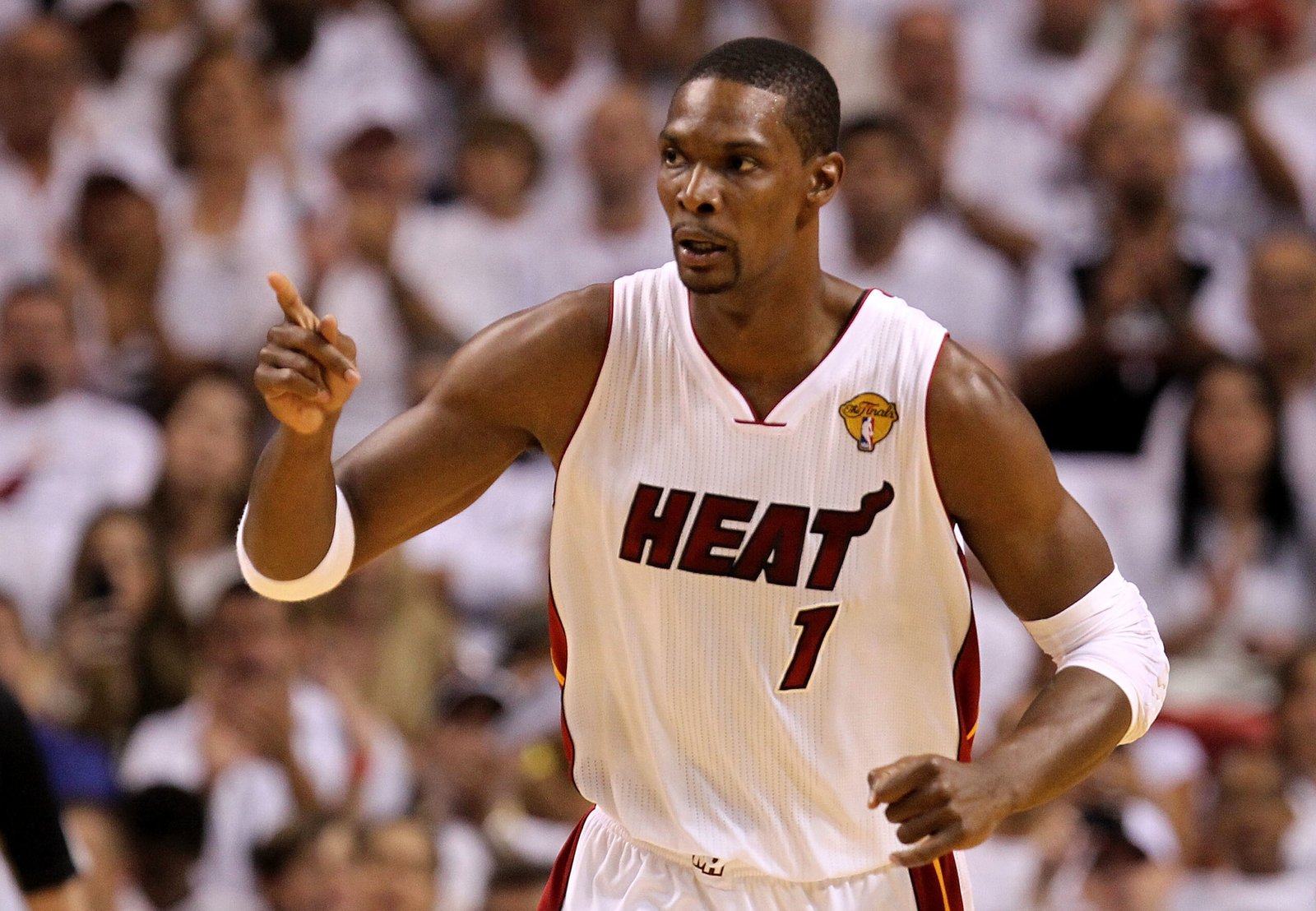
in the first quarter of Game Two of the 2011 NBA Finals at American Airlines Arena on June 2, 2011 in Miami, Florida. NOTE TO USER: User expressly acknowledges and agrees that, by downloading and/or using this Photograph, user is consenting to the terms and conditions of the Getty Images License Agreement. (Photo by Ronald Martinez/Getty Images)
FAQs About Chris Bosh
Who is Chris Bosh?
Chris Bosh is a former NBA superstar who played for the Toronto Raptors and Miami Heat, winning two NBA championships and becoming one of the most versatile big men in league history.
Why did Chris Bosh retire early?
Chris Bosh retired early due to recurring blood clots, a serious medical condition that made continuing his basketball career too risky.
How many championships did Chris Bosh win?
Chris Bosh won two NBA championships with the Miami Heat in 2012 and 2013.
What is Chris Bosh doing now?
After retirement, Chris Bosh became a speaker, author, and advocate for education, creativity, and mental health awareness.
