



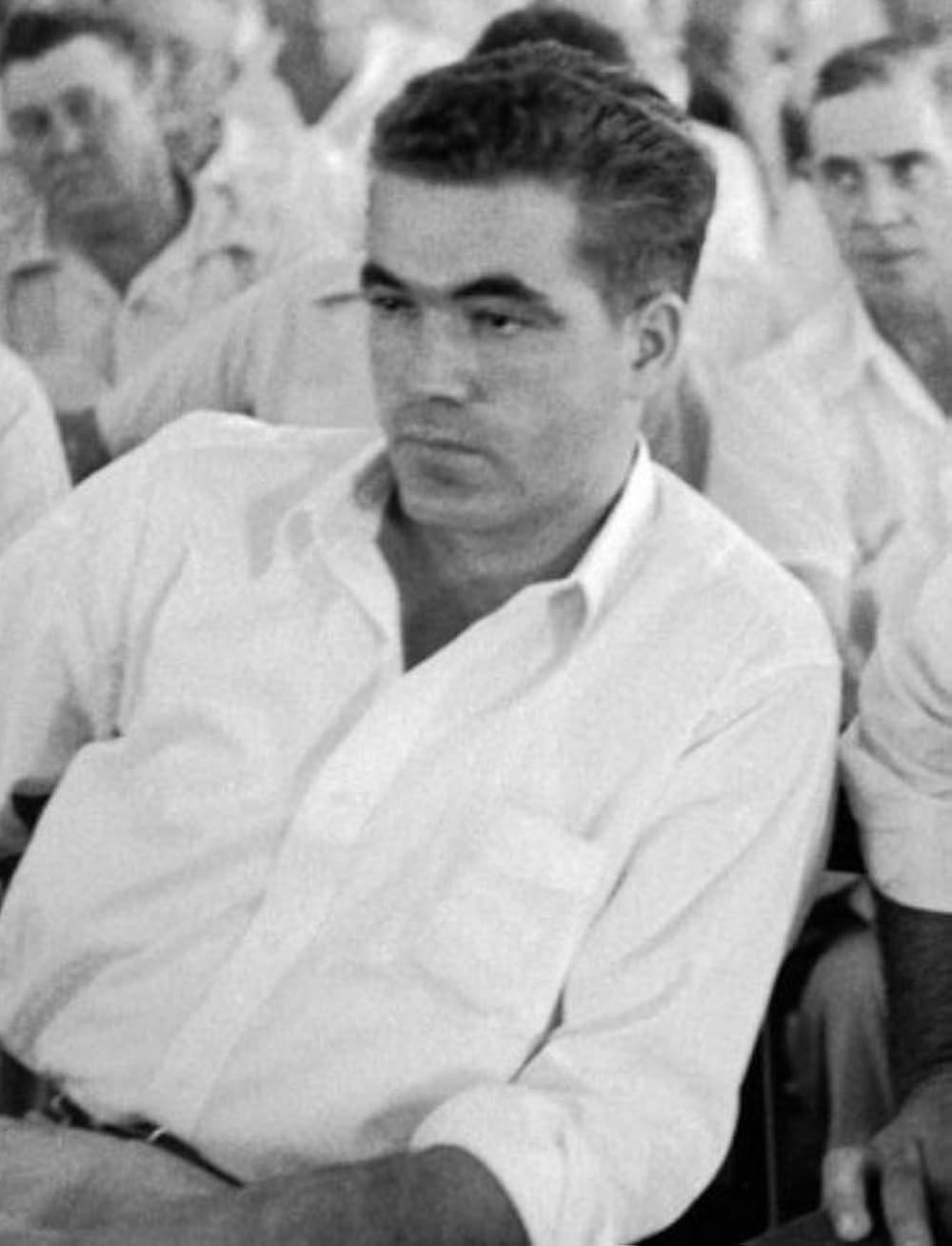
Sometimes history doesn’t shout. It whispers. And sometimes, one name becomes heavy enough to carry the pain, anger, and awakening of an entire generation. is one such name. Not because of fame or achievement, but because of a tragic event that shook the United States and helped ignite the Civil Rights Movement.
To be honest, learning about Roy Bryant isn’t comfortable. It isn’t meant to be. But it’s necessary. Because understanding history—even its darkest corners—is how we make sure it doesn’t repeat itself.
So let’s talk. Slowly. Honestly. And with context.
Who Was Roy Bryant?
a white American store owner living in Money, Mississippi, during the 1950s—a time when racial segregation was deeply rooted in Southern society. He co-owned a small grocery store called Bryant’s Grocery & Meat Market, a place that would later become infamous in American history.
But Roy Bryant didn’t become historically significant because of business or politics. His name became forever linked to one of the most heartbreaking and influential events of the 20th century: the murder of Emmett Till.
The Social Climate of 1950s Mississippi
To really understand Roy Bryant’s role, we need to step back for a moment.
Life Under Jim Crow Laws
The American South in the 1950s was governed by Jim Crow laws, which enforced racial segregation. Black Americans were denied basic rights, dignity, and safety. Even small misunderstandings between Black and white individuals could lead to deadly consequences.
And that’s the terrifying part—you didn’t need to do much to be in danger.
The Emmett Till Incident: What Happened?
In August 1955, Emmett Till, a 14-year-old African American boy from Chicago, traveled to Mississippi to visit relatives. Coming from the North, Emmett wasn’t fully aware of the strict racial “rules” enforced in the South.
The Grocery Store Encounter
According to accounts, Emmett Till allegedly whistled at or spoke to Carolyn Bryant, Roy Bryant’s wife, inside the store. What exactly happened remains debated, but in that era, even an accusation was enough.
A few days later, Roy Bryant and his half-brother J.W. Milam made a decision that would change history forever.
The Kidnapping and Murder of Emmett Till
Late at night, Roy Bryant and J.W. Milam abducted Emmett Till from his great-uncle’s home.
What followed was unspeakably brutal.
Emmett was beaten, tortured, and eventually killed. His body was thrown into the Tallahatchie River, weighted down with a heavy fan.
When his body was recovered, it was barely recognizable.
And honestly, even today, it’s hard to process.
The Trial That Shocked the Nation
An All-White Jury
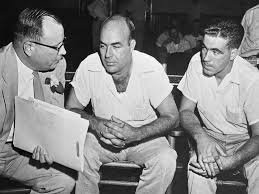
Roy Bryant and J.W. Milam were arrested and put on trial. The case gained national and international attention. Yet, despite overwhelming evidence, the jury—composed entirely of white men—acquitted both defendants after deliberating for just over an hour.
Yes, an hour.
And just like that, justice was denied.
The Confession That Came Too Late
Because of double jeopardy laws, Roy Bryant and Milam could not be tried again. Months later, they openly admitted to the murder in a paid interview with Look magazine.
They confessed. Publicly. Without legal consequences.
That moment alone exposed the deep flaws in the American justice system at the time.
Roy Bryant’s Life After the Trial
You might wonder—what happened to Roy Bryant after all this?
A Life Marked by Infamy
- His store eventually closed
- He moved away from Mississippi
- He lived largely out of public view
- He died in 1994, without ever being legally punished
No prison sentence. No courtroom accountability.
And that reality still hurts.
Impact on the Civil Rights Movement
Here’s the part that changed everything.
Mamie Till’s Courage
Emmett Till’s mother, Mamie Till-Mobley, made a brave decision. She insisted on an open-casket funeral, allowing the world to see what had been done to her son.
Photos of Emmett’s mutilated body spread across newspapers and magazines.
People couldn’t look away.
A National Awakening
The murder—and Roy Bryant’s acquittal—became a turning point. It fueled outrage, protests, and activism. Many historians believe this event directly influenced figures like Rosa Parks, who later said Emmett Till was on her mind when she refused to give up her bus seat.
So yes, something awful led to something powerful.
Why Roy Bryant Still Matters Today
You might be thinking, “Why talk about Roy Bryant now?”
Because history shapes the present.
Roy Bryant represents:
- Systemic racism
- Abuse of power
- Failure of justice
- The importance of remembering truth
Ignoring these stories doesn’t erase them. Learning from them helps us grow.
Lessons We Must Not Forget
Let’s pause for a moment.
What This Story Teaches Us
- Silence can be dangerous
- Justice must be equal to be real
- One life can change a nation
- Truth matters, even decades later
And honestly, we’ve all been there—wondering if learning about painful history is worth it. Trust me, it is.
Roy Bryant in Modern Discussions
Today, Roy Bryant’s name appears in:
- History textbooks
- Civil rights documentaries
- Academic discussions
- Museum exhibits
Not as a hero. Not as a victim. But as a reminder.
Conclusion: Remembering So We Can Do Better
Roy Bryant’s story isn’t easy to read. It isn’t supposed to be. But understanding it helps us understand America—its failures, its struggles, and its slow march toward justice.
History doesn’t change when we forget it.
It changes when we face it.
And so, we remember.
We learn.
And we do better.
FAQs About Roy Bryant
Who was Roy Bryant?
Roy Bryant was a Mississippi store owner involved in the 1955 kidnapping and murder of Emmett Till.
Was Roy Bryant ever convicted?
No. He was acquitted by an all-white jury despite strong evidence.
Why is Roy Bryant important in history?
His actions and trial exposed racial injustice and helped spark the Civil Rights Movement.
What happened to Roy Bryant later in life?
He lived quietly after the trial and died in 1994 without facing legal punishment.
