



If you’ve ever seen someone with a beautiful temporary design on their hands or arms and thought henna tattoo, “Wow, I really want something like that!”, then trust me—you’re not alone. The charm of a henna tattoo is irresistible. It feels artistic, cultural, expressive, and honestly… a little magical. And what’s interesting is that a henna tattoo isn’t just about beauty; it’s also about tradition, creativity, and personal meaning.
So today, let’s dive deep into the world of henna tattoos, explore their origins, benefits, meaning, designs, aftercare, and everything in between. And if you’re planning to get a henna tattoo soon, well—you’re exactly where you need to be.
What Is a Henna Tattoo? (And Why People Love It)
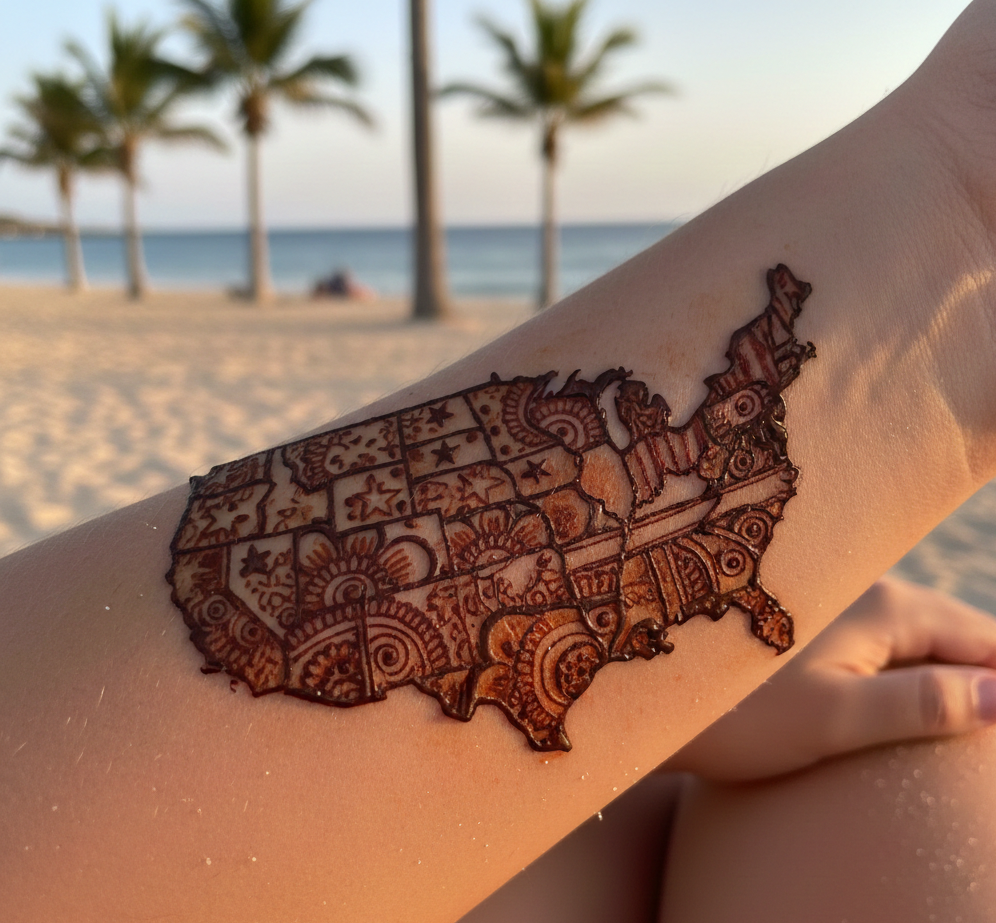
A henna tattoo is a temporary body art made using a natural dye derived from the henna plant. The paste is applied to the skin in intricate patterns, then left to dry. Once removed, it leaves behind a reddish-brown stain that lasts for days or even weeks.
But the real reason people adore the henna tattoo is because it allows them to express themselves without any pain or long-term commitment. You know how some people hesitate before getting a permanent tattoo? With a henna tattoo, that pressure disappears completely.
And honestly, that’s why henna designs are booming in weddings, festivals, vacations, parties, photoshoots, and even casual self-care moments.
History and Cultural Significance of the Henna Tattoo
A Tradition That Goes Back Thousands of Years
Here’s something fascinating: the hena tattoo is at least 5,000 years old. It started in ancient cultures in the Middle East, South Asia, and North Africa. Back then, people used henna not just for beauty, but also for cooling the skin, celebrating rituals, and marking important life events.
Symbolism and Spiritual Meaning
A henna tattoo often symbolizes:
- Joy
- Blessings
- Celebration
- Protection
- Love
- Good fortune
So, whether it’s worn during weddings or festivals like Eid, Diwali, or cultural ceremonies, the hena tattoo carries deep emotional value.
Why Are Henna Tattoos So Popular Today?
To be honest, the popularity of the hena tattoo has exploded in modern times—and for good reasons.
1. It’s Temporary, Painless, and Safe
Unlike permanent tattoos, a hena tattoo doesn’t involve needles, blood, or pain. Just smooth, soothing paste. Honestly, the cooling sensation feels amazing.
2. Perfect for Fashion and Experimentation
Want to try a tattoo design but scared of lifelong commitment? A hena tattoo lets you experiment freely.
3. Beautiful Artistic Possibilities
From Arabic to Indian to Moroccan patterns—the design variations are endless.
4. Natural and Chemical-Free (When Done Right)
Real henna paste is plant-based, making a hena tattoo a safer option for most people.
Types of Henna Tattoos
1. Traditional Indian Henna
This style is known for:
- Dense designs
- Paisleys
- Mandalas
- Bridal patterns
- Fine intricate details
If you’ve seen bridal hands covered from fingers to elbows—that’s an Indian-style hena tattoo.
2. Arabic Henna
This style is more spaced out with bold strokes:
- Floral vines
- Leaves
- Flowing patterns
People love it because it’s elegant and quicker to apply.
3. Moroccan Henna
This style uses geometric shapes:
- Triangles
- Diamonds
- Squares
- Symmetrical lines
It gives the hena tattoo a modern, edgy look.
4. Western Henna
This one blends contemporary tattoo culture with henna:
- Wristbands
- Dreamcatchers
- Anklet designs
- Minimalist icons
Perfect for festivals and beaches.
How Long Does a Henna Tattoo Last?
A typical hena tattoo lasts 7 to 21 days, depending on:
- Your skin type
- Quality of henna paste
- Aftercare
- Placement on the body
Areas like hands and feet tend to stain darker and last longer.
How to Make Your Henna Tattoo Last Longer
We’ve all been there—getting a fresh hena tattoo and wishing it never fades. Good news: you can make it last longer with simple tricks.
1. Leave the Paste On Longer
At least 6–8 hours. Overnight is even better.
2. Keep It Warm
Heat deepens the color. Warm hands equal a darker hena tattoo.
3. Lemon + Sugar Sealant
This old-school trick actually works. It keeps the paste sticky and boosts stain quality.
4. Avoid Water for 12 Hours
Water weakens fresh stains. Trust me, patience pays off.
5. Moisturize with Natural Oils
Coconut or olive oil protects your hena tattoo from fading quickly.
Best Places on the Body to Get a Henna Tattoo
Here’s where a hena tattoo shows up beautifully:
- Hands
- Feet
- Wrists
- Forearms
- Ankles
- Shoulders
- Back
- Collarbone
Designs tend to be darker on thick skin areas like palms.
Is a Henna Tattoo Safe?
Yes—real henna is safe.
But here’s something you should know.
❗ Beware of “Black Henna”
Some artists use “black henna,” which contains harmful chemicals like PPD (paraphenylenediamine). This can cause:
- Burning
- Allergies
- Blisters
- Permanent scars
Always ask if the artist uses natural henna only.
How to Choose the Right Hena Tattoo Artist
To be honest, not every artist is trustworthy. If you want the perfect hena tattoo, make sure the artist:
- Uses fresh, natural henna
- Shows you their portfolio
- Works with clean tools
- Understands your skin sensitivity
- Can customize designs
A great hena tattoo artist listens to you. They don’t rush the process.
Hena Tattoo Design Ideas You’ll Love
Here are some popular and beautiful ideas.
Minimalist Designs
- Small moon
- Finger rings
- Tiny floral sprigs
Perfect for beginners.
Bridal Henna
- Mandalas
- Peacock motifs
- Bridal initials
- Lace patterns
These are elaborate and symbolic.
Modern Henna Tattoo Ideas
- Wrist bracelets
- Anklets
- Shoulder vines
- Boho festival patterns
A trendy twist on traditional art.
DIY Hena Tattoo: Can You Do It at Home?
Actually, yes! If you enjoy crafting, you can totally create your own hena tattoo.
You’ll Need:
- Natural henna cone or paste
- Tissue
- Lemon + sugar
- Cotton swab
Steps:
- Clean your skin.
- Draw your design slowly.
- Let it dry naturally.
- Seal it with lemon-sugar.
- Remove paste gently.
And boom—your at-home hena tattoo is ready.
The Emotional Side of Henna Tattoos
A hena tattoo isn’t just art. For many people, it represents:
- Relaxation
- Spiritual connection
- Self-expression
- Celebration
- Creativity
Some people even get a hena tattoo to mark life milestones—birthdays, new chapters, healing journeys, and more. And honestly, that’s what makes it beautiful.
Henna Tattoos vs Permanent Tattoos
| Feature | Henna Tattoo | Permanent Tattoo |
|---|---|---|
| Pain | None | Painful |
| Lasts | Days – weeks | Lifetime |
| Safe for kids? | Yes (natural henna) | No |
| Cost | Low | Expensive |
| Customization | Easy | Permanent |
| Commitment | Temporary | Permanent |
If you’re not sure about a tattoo design, try a henna tattoo first—it acts like a “trial run.”
Common Mistakes People Make with Henna Tattoos
Let’s save you from them:
- Washing the area too soon
- Using chemical-based henna
- Not checking artist reviews
- Touching the paste before it dries
- Not doing a skin patch test
Avoid these, and your henna tattoo will look flawless.
Conclusion
At the end of the day, a henna tattoo is more than just a temporary design—it’s a celebration of beauty, culture, self-expression, and creativity. Whether you’re getting it for a big event, a vacation, or simply because you love art on your skin, a henna tattoo gives you a chance to feel confident, stylish, and connected to centuries of tradition.
So go ahead—explore designs, express yourself, and let your skin become a canvas for something truly meaningful.
FAQs About Henna Tattoos
1. How long does a henna tattoo take to apply?
Most designs take 10 to 45 minutes, but bridal work can take hours.
2. Does a henna tattoo hurt?
Not at all. A henna tattoo is completely painless since it’s only applied on the skin surface.
3. Can kids get a henna tattoo?
Yes—natural henna is safe for children. Avoid black henna at all costs.
4. How can I make my henna tattoo darker?
Keep the paste on longer, use lemon-sugar sealant, and avoid water for at least 12 hours.
Read More : Naruto characters
